
Media strategy for 2026: a practical guide
AI, platforms and virality: how online content is changing in 2026 and beyond

If you’re planning to invest time and/or money in online visibility next year, it’s good to be aware of the massive sea-changes currently underway.
With monopolistic rent extraction in full swing on all media platforms, paid ads have become cost-prohibitive for most businesses. SEO is dead, or so it’s been claimed. On the socials, AI-generated content is taking over. Bots are everywhere. Real people? Nowhere to be found.
Let’s look at a concrete example: LinkedIn’s cost per lead through ads has climbed to roughly €295 for B2B SaaS. In contrast, organic marketing on LinkedIn delivers leads at roughly €155—nearly half the price.
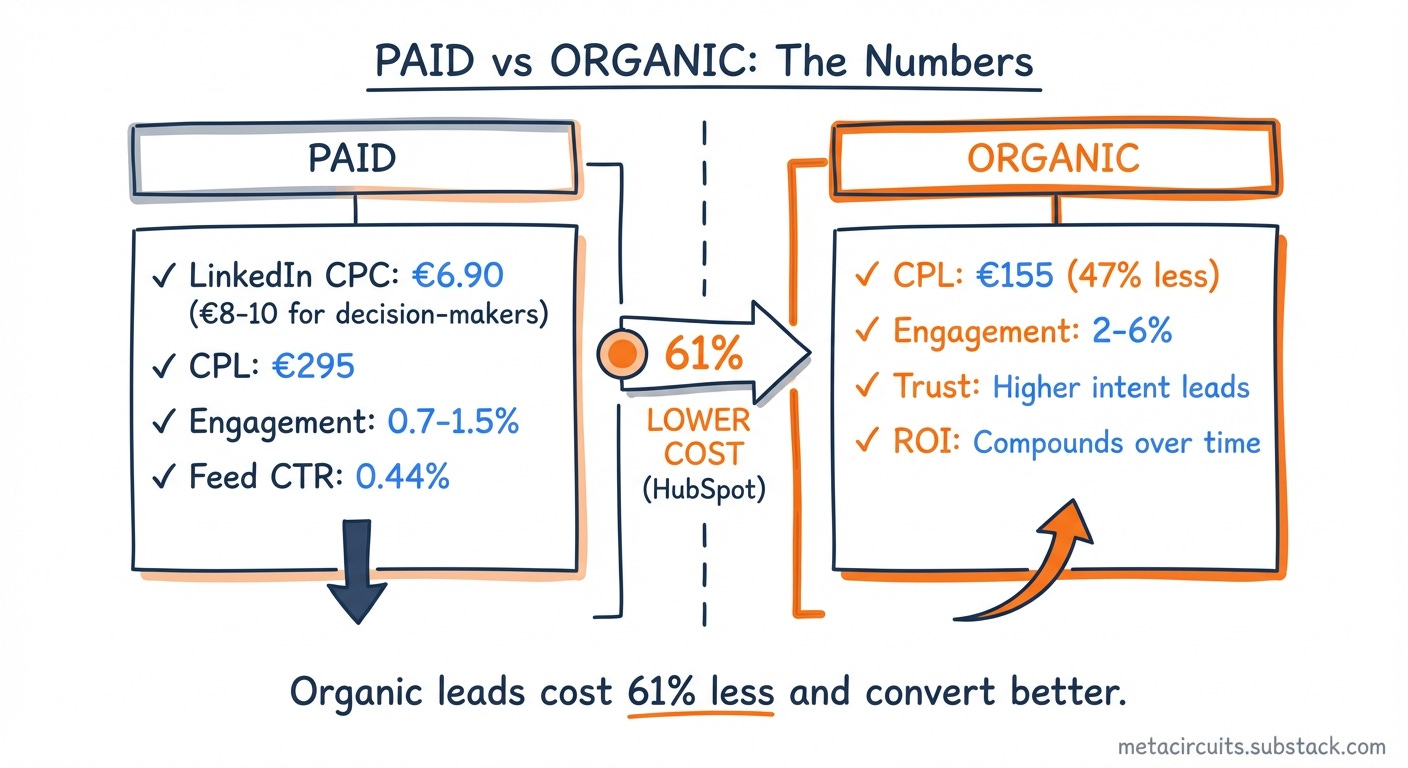
Not only is organic content cheaper, but high-value high-quality content buys you the single most valuable currency you can get online: trust.
And trust compounds over time—as long as your media team continues to deliver.
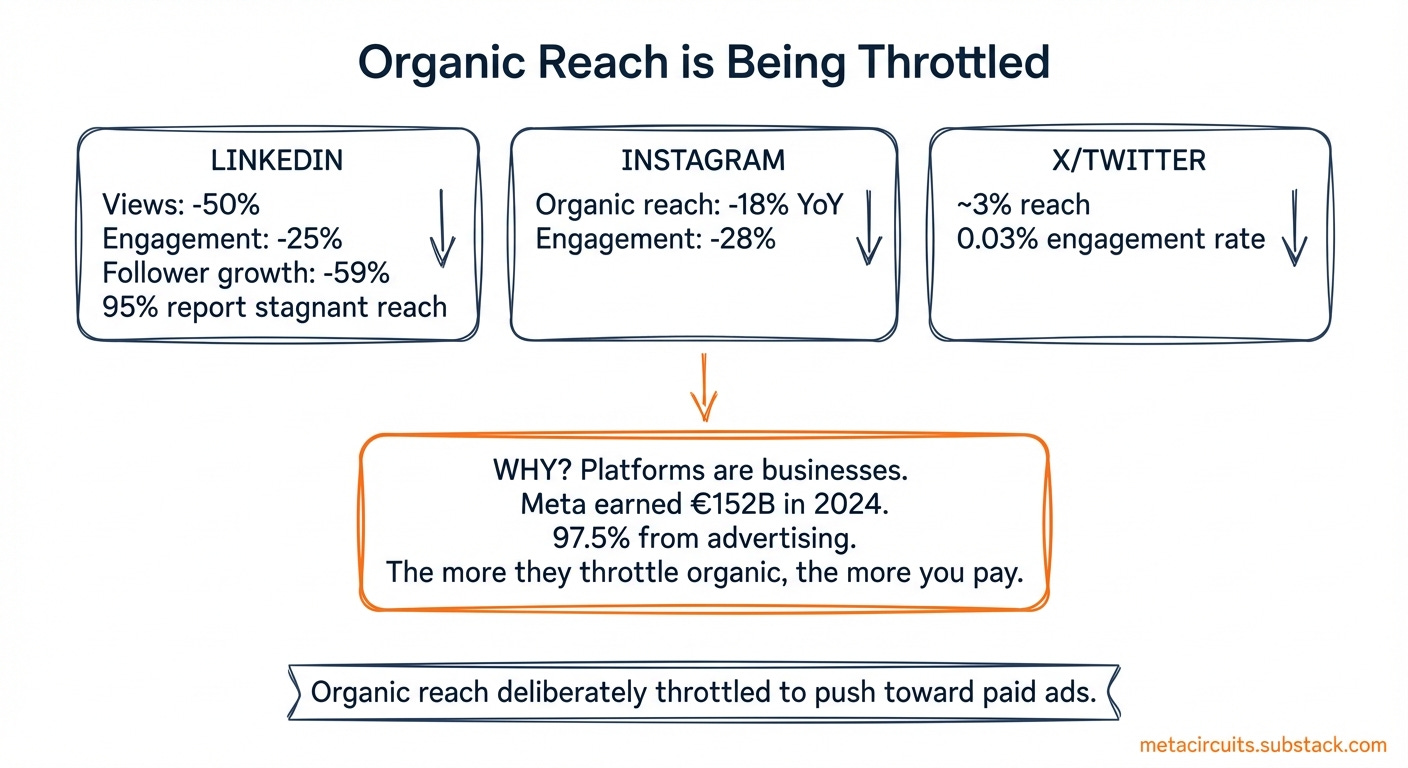
On the flip side, organic reach is in decline across all major media platforms.
For LinkedIn, 95% of LinkedIn users now report stagnant or declining reach, with views down 50%, engagement down 25%, and follower growth down 59%.
So what media strategies actually work in 2026?
The short answer: competing on value and quality is still your best bet. And with AI as your researcher, copywriter, generator and strategist on demand, the barrier isn’t resources anymore—it’s knowing where and how to focus.
Let’s look at some trends that will (re)shape our media platforms in 2026 and beyond.
AI content goes mainstream
By the end of 2026, AI-generated content will no longer be a novelty—it will be the default way content gets made. Gartner predicts that over 80% of companies will have adopted generative AI in content production by 2026, up from less than 5% in 2023.
On TikTok, 22% of all content is already AI-generated. 7.5 million AI videos are uploaded daily. By December 2027, projections suggest 35-40% of content on the platform will be substantially AI-generated.
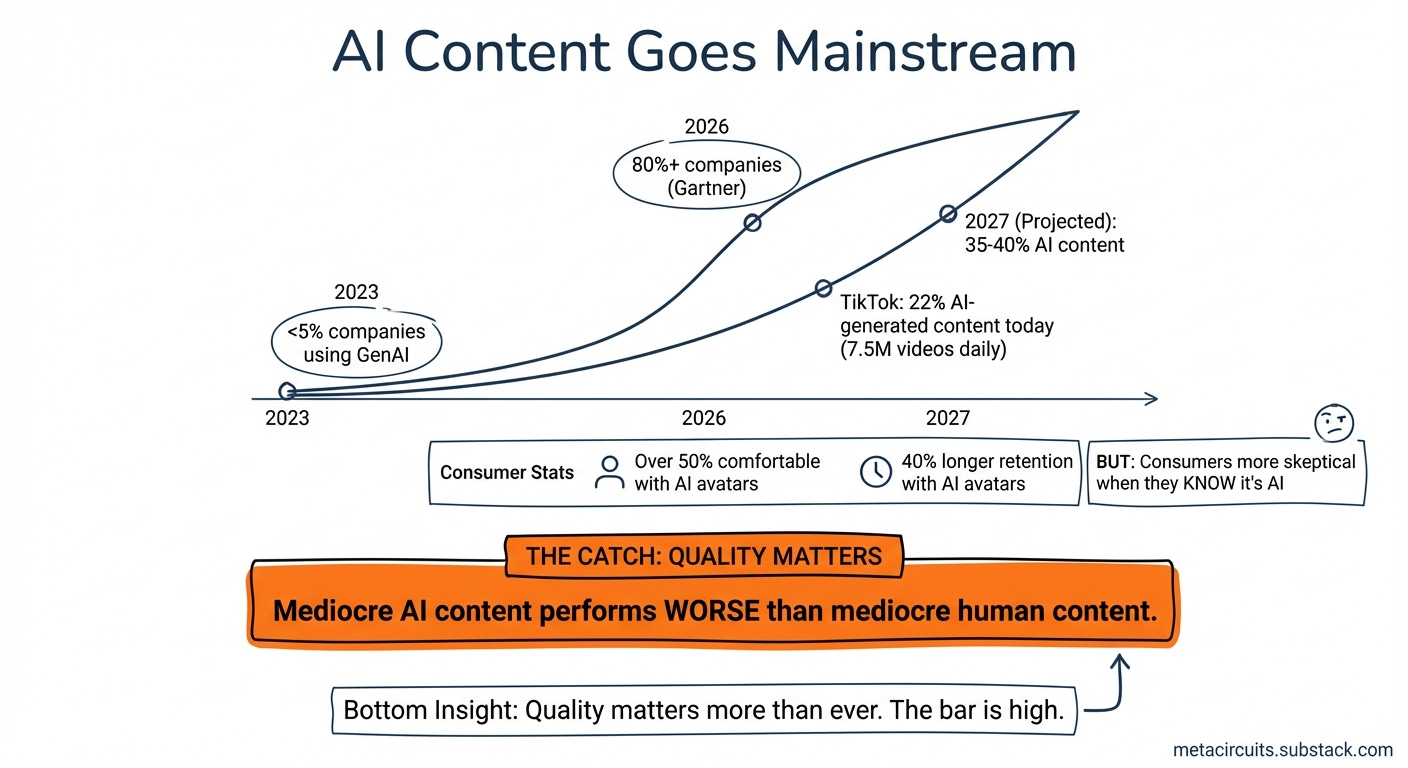
And if you’ve spent any time on TikTok recently (which I don’t recommend!), you’ll know that the quality of the AI content on there is still pretty horrible.
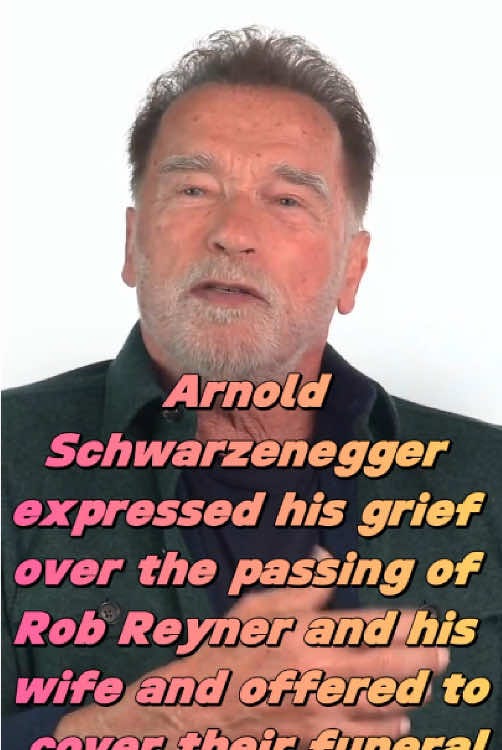
But as AI tools and workflows mature, it will become almost impossible for a casual viewer to differentiate AI generated content from real media. Even today, the small “AI-generated” label in the bottom is easily overlooked when AI tools are effectively used to farm outrage and sow division:
 Tiktok failed to load.
Enable 3rd party cookies or use another browser
This latest iteration in the media landscape—after “traditional” broadcast media and social media—is personal media. With AI both curating and generating content, your personal media feed will cease to be the distorted reflection of reality brought to us by social media feeds. Instead, your personal feed will be tailored to your needs, desires and interests so heavily that it will no longer represent anything even remotely real.
It’s the new opium.
Because of this, curation is key to get any kind of value from your personal media diet.
It’s going to be very easy to lose evenings or even days to these new media machines.
The rise of AI-generated content is also changing how we interact with media.
Content consumption patterns are changing
I noticed this myself scrolling Instagram. I no longer like posts I suspect are AI-generated, because what signal am I even giving off? Am I endorsing the sentiment? The creator? The algorithm that surfaced it? The AI that made it? The prompt?
This uncertainty is disrupting feedback loops, virality, and meaning all at once.
It happens to coincide with a major change in how content is being consumed.
Meta’s internal research shows users under 25 switch focus every 39 seconds, down from 47 seconds in 2020. Gen Z in one study famously was found to have an attention span of about 8 seconds.
But those same users will also happily sit through 3-hour YouTube deep dives.
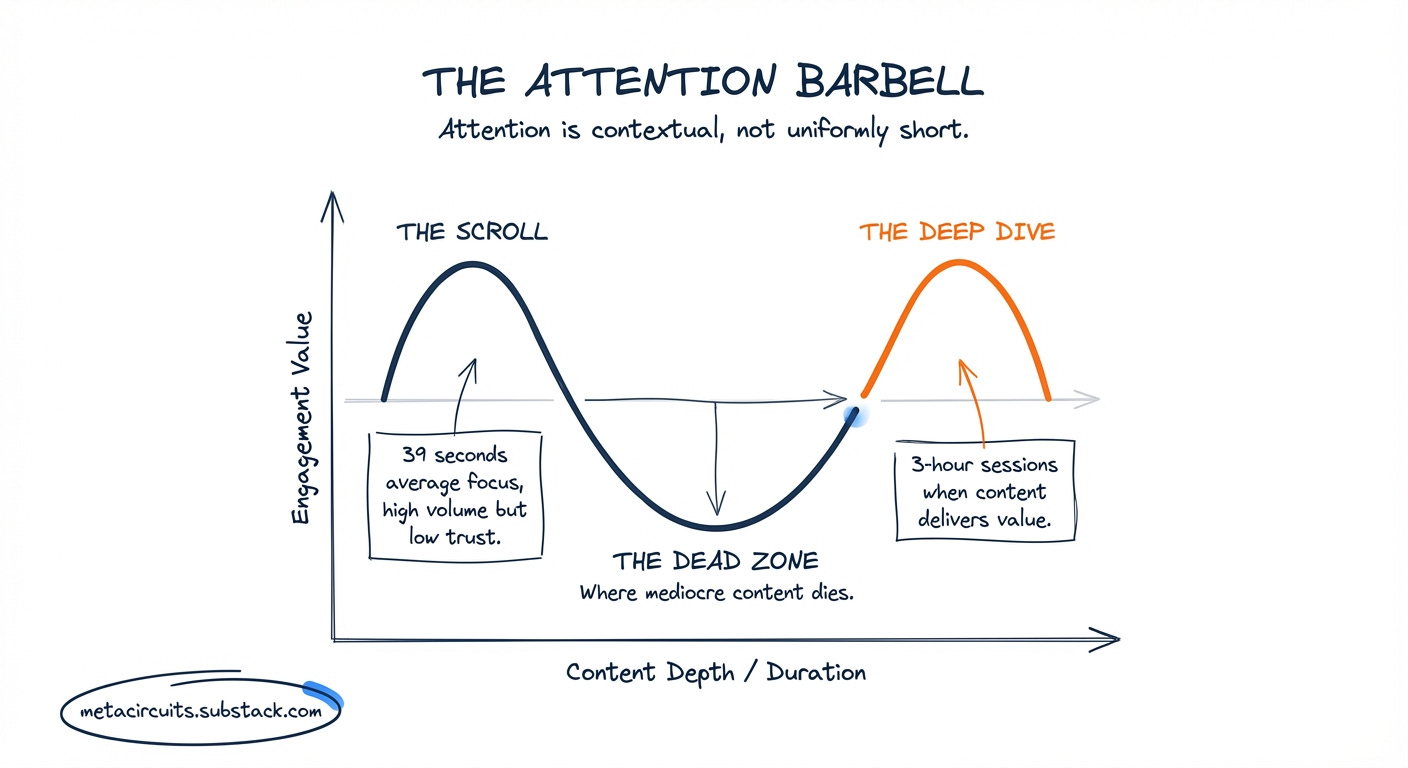
Attention spans aren’t uniformly shortening—younger generations of consumers are more discerning, less patient, and know better what they want to watch and read.
The data reflects this: in 2025, audiences were embracing longer formats again. Reels, Shorts, and TikTok videos up to 3 minutes were already performing 25-40% better in watch time compared to the 15-second clips that dominated 2023.
Interactive formats (polls, Q&A) retain attention 62% longer than standard video.
User behavior is shifting from passive consumption to conscious participation.
People are curating what they see and muting what feels manipulative.
Authenticity becomes a key differentiator
So building a community > amassing followers, likes and subscribers in 2026.
And the best way to do this is by showing up as real as you can be.
Sprout’s Q4 2025 Pulse Survey found the #1 thing consumers want brands to prioritize in 2026 is human-generated content.
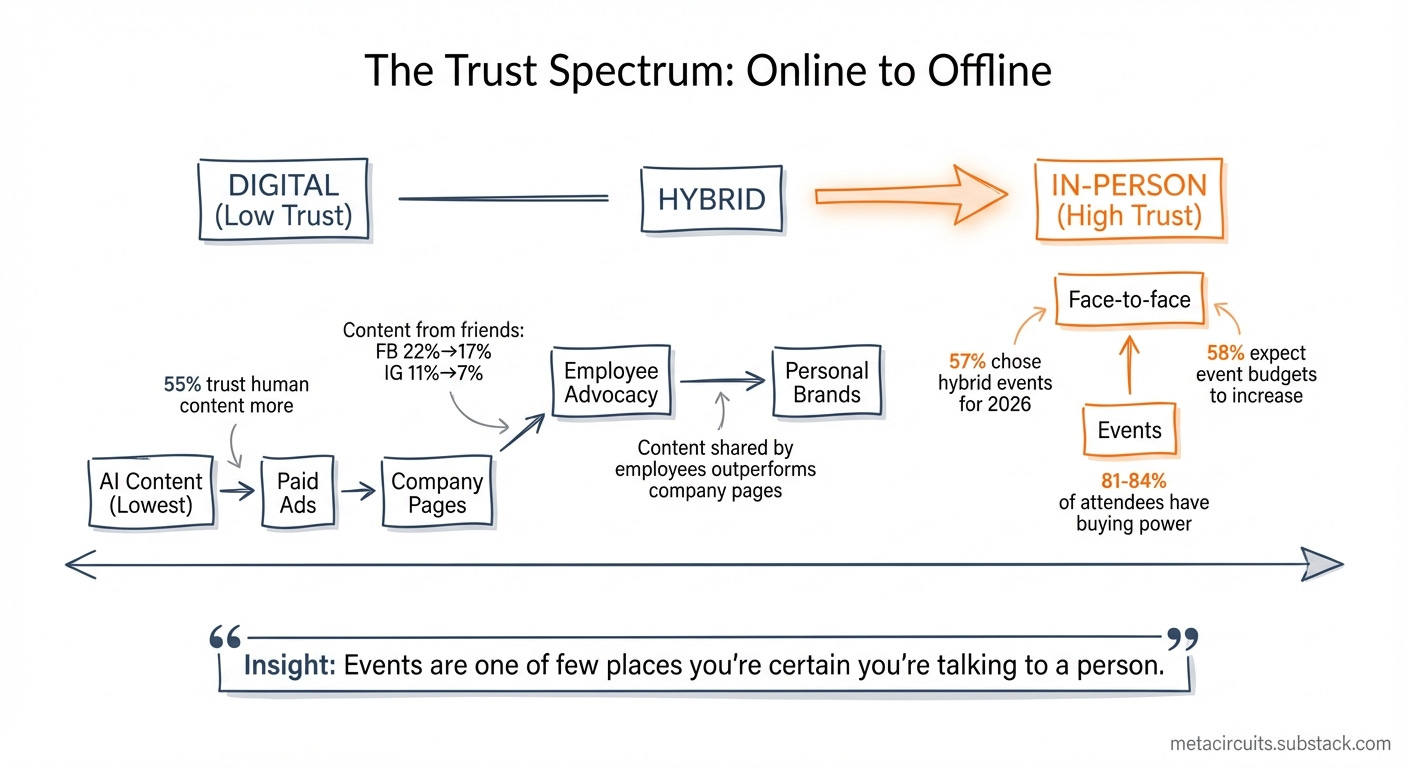
55% of social users say they’re more likely to trust brands that publish human-generated content. For Gen Z and Millennials, that rises to two-thirds.
The trend is even more pronounced in B2B.
According to LinkedIn’s 2025 B2B Marketing Benchmark, video combined with authentic content boosts engagement 2.5x compared to polished studio productions.
Content shared by employees consistently outperforms any company page post.
People want to connect with people, not with models or with brands.
This has further practical implications.
In B2B, I expect that in-person events will gain a new importance as one of the few places where you can still be absolutely certain you’re talking to a real person.
57% of B2B marketers have chosen hybrid events as their top format for 2026, and 58% expect their event budgets to increase next year.
When trust is scarce, face-to-face becomes premium.
The one exception to the trust premium paid for humans is in online search—here, I expect that consumers weary from SEO-optimized human slop will be increasingly likely to prefer AI-generated buying advice in 2026 and beyond.
GEO will continue eating into SEO
At least until Google, OpenAI & co finds ways to monetize AI-generated insights without breaking consumer trust—harder than it sounds!—we’ll see more and more low-ticket consumer decision-making shaped by AI suggestions.
Gartner predicts a 25% drop in traditional search volume for 2026, with organic search traffic expected to decrease by over 50%. Nearly 58.5% of Google searches now end without a single click, and AI overviews already appear in almost 47% of all searches.
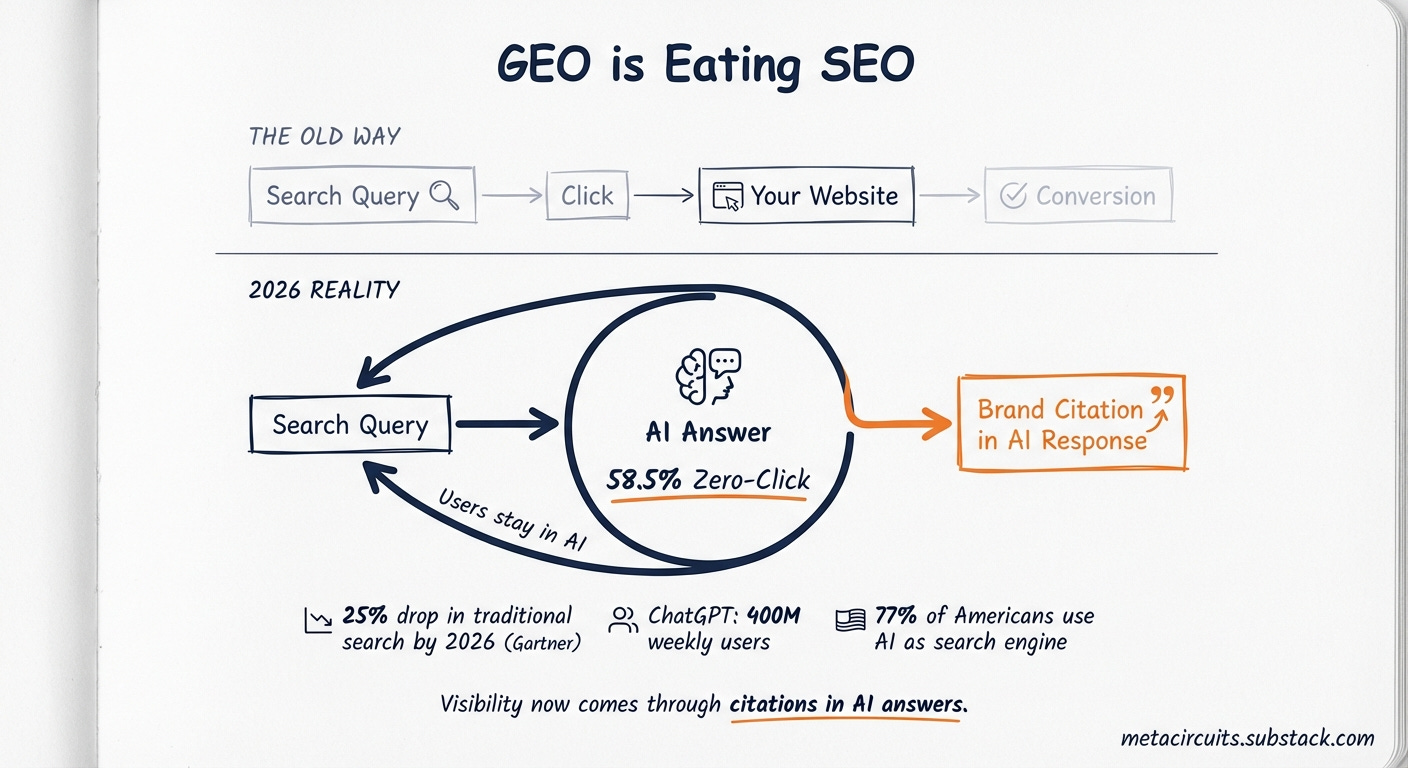
Google’s global search share has dipped below 90% for most of 2025—a milestone the company hasn’t hit since 2015. ChatGPT’s 400 million weekly active users are the first real threat in more that two decades of Google search dominance.
But regardless of who comes out on top in the race for consumer AI dominance—probably Google?—searching for information has been changed forever by the rise of conversational AI interfaces.
Keywords as the cornerstone of the internet are rapidly being replaced by semantic units of meaning learnt by MMSs (massive multimodal systems).
Traditional SEO (search engine optimization) tactics like keyword stuffing and backlink building are losing efficacy in an era where AI generates answers directly.
In GEO (generative engine optimization), visibility comes through citations in AI responses. If your brand appears in a ChatGPT, Perplexity or Google Gemini answer, you’ve won visibility and trust—even if no link is ever clicked.
Your audience is no longer just human, so plan for it.
Choosing your platform(s) for 2026
Despite all this disruption, the incumbent platforms aren’t going anywhere.
OpenAI’s Sora 2 app (launched September 2025) has had practically 0% 60-day user retention after launch (for comparison, Tiktok has 48% 60-day user retention).
Meta’s Vibes feed is doing just slightly better, mostly in India and Brazil.
Sora 2’s most viral moments came from AI-generated videos that read like running commentary on current events—basically high-quality memes and gifs that would be more in place on a subreddit than a standalone media platform.
In contrast, YouTube processes 70 billion daily Shorts views. LinkedIn drives 80% of all B2B leads from social media. TikTok uploads 34 million videos daily. Instagram’s algorithm is more sophisticated than ever, with AI systems analyzing 500 posts per user and ranking them by predicted engagement.
Those are some pretty big numbers to compete with for any new platform.
In summary, here are a couple of key things to consider formulating your platform strategy for 2026:
Pick your primary media platform based on where your audience actually is, not on where the growth hype is.
Build for depth on one platform before spreading thinly across many.
Personal brands outperform corporate content—invest accordingly.
In-person events matter more than they did pre-pandemic, especially in B2B.
Organic delivers better lead quality and lower CPL in nearly every study.
Use paid to amplify proven organic content, not as a substitute for it.
GEO isn’t replacing SEO—it’s complementing it. You need both.
Structure content for AI extraction: clear organization, summaries, statistics.
External validation (PR, earned media, citations) matters more than ever.
Hook in 3 seconds, deliver in 3 minutes. Attention spans are contextual.
Quality over quantity. Every platform algorithm now rewards engagement depth.
Lead with story, not sales. Narrative-based content converts better.
Use AI as a production tool, not as your voice. The authenticity premium is real.
For me this has meant going all-in on LinkedIn in 2026—I wrote about it last week:

Substack will continue to be my secondary platform in 2026, as the place where I’ll post more in-depth content in weekly deep-dives like this one.
One final note. Last week I attended a three-day online workshop by Matt Gray. He recommends—which I fully endorse—sticking to two media platforms when you’re starting out: one primary and one secondary.
It’s best to choose either two video-first platforms (for example, Youtube and Tiktok) or two text-first platforms (for example X and LinkedIn). This will help both with repurposing content across platforms, and reduce the skills and strategies your media team will need to build.
If there’s anything that I’ve learnt from two years of publishing content online—in 2024 on Youtube, and in 2025 here on Substack—it’s that having a content strategy matters. A lot. Build your curriculum—playbooks, strategies, standard operating procedures, and insights—around it to create lasting impact.
Because in the end value comes from actionable insights, realizations, and active discussions. The content itself is just the vehicle—whether that’s presented in the form of a story, anecdote, video recording, diagram or anything else.
What’s your platform strategy for 2026? I’d love to hear what you have in the works!
Sources
LinkedIn Algorithm Insights 2025 by Richard van der Blom
Last week in AI
OpenAI continued its December blitz with two major launches. First, a new ChatGPT Images model (GPT Image 1.5) rolled out on December 16th with instruction following that’s noticeably tighter and generation speeds up to 4x faster. Then on December 17th, the ChatGPT App Store went live—a built-in app directory where users can discover and connect to Spotify, Booking.com, Dropbox, DoorDash, and more directly from conversations.
Google matched the pace. Gemini 3 Flash launched December 17th as the new default model in the Gemini app—bringing Gemini 3 Pro’s reasoning capabilities to a faster, cheaper package. At $0.50 per million input tokens, it’s already being adopted by JetBrains, Figma, and Cursor. Meanwhile, Google Labs launched CC, an experimental AI productivity agent that sends you a personalized “Your Day Ahead” briefing every morning by pulling context from Gmail, Calendar, and Drive. It’s currently available to AI Ultra subscribers in the US and Canada.
On the infrastructure side, NVIDIA released the Nemotron 3 family of open models specifically optimized for agentic AI. The Nano version (30B parameters) delivers 4x higher token throughput than its predecessor with a 1-million-token context window. Super and Ultra versions are coming in early 2026.
Anthropic made a strategic move by publishing Agent Skills as an open standard—reusable instruction sets that teach AI agents specific workflows. The key detail: skills created in Claude can now be used in ChatGPT, Cursor, or any platform that adopts the standard. Microsoft has already integrated Agent Skills into VS Code and GitHub.
Finally, Zoom unveiled AI Companion 3.0 with agentic workflows that turn conversations into automated actions—think AI-first personal workflows and document automation. The system uses a federated approach combining Zoom’s own models with OpenAI, Anthropic, and now NVIDIA’s Nemotron.
Really liked the way this frames media as a long-term asset, not a growth hack. In a few more years, the brands that survive will treat content the way SaaS treats code. Iterated, versioned, and never done.
Good work on the branded visuals! Excellent post, so many wasted thousands on a poor media strategy